discord message / computercatx post draft / computercat
01Electron / React / TypeScript
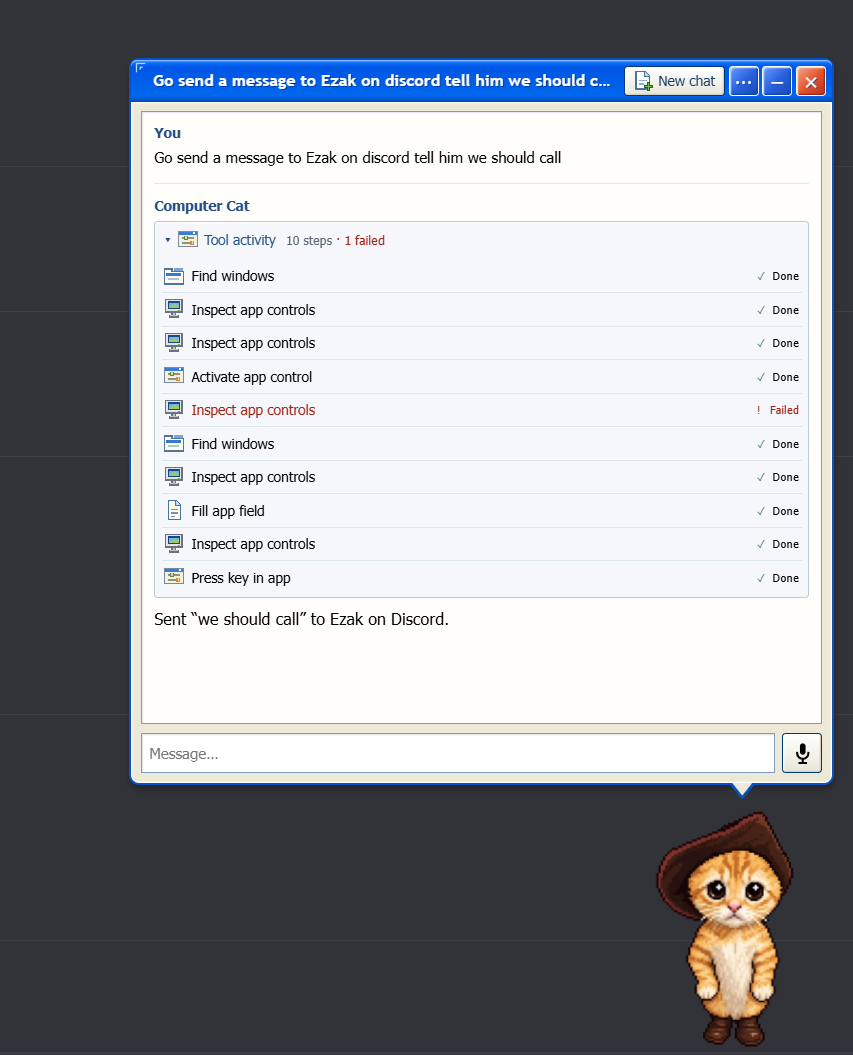
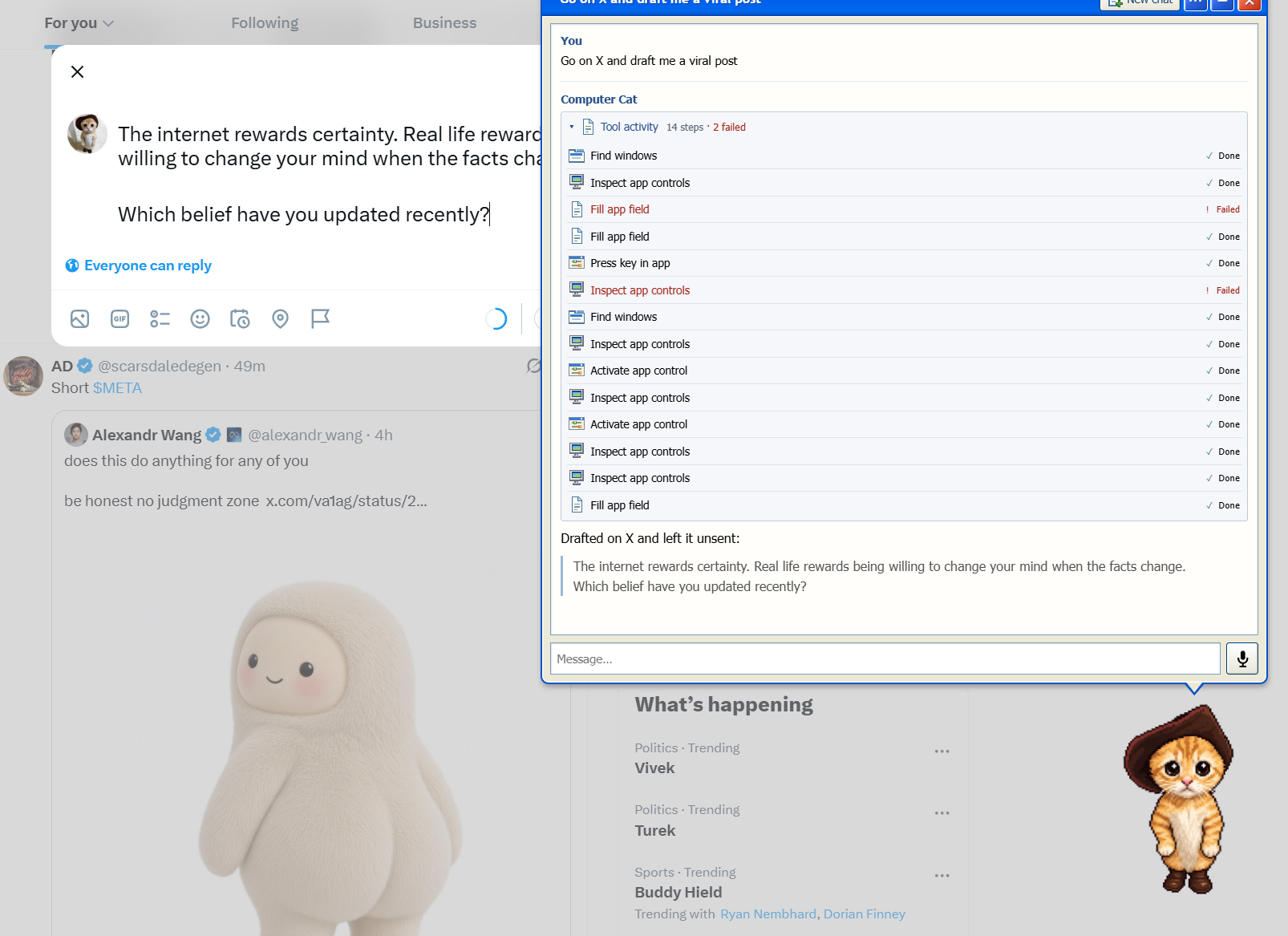
ComputerCat
A Windows XP-inspired AI desktop companion that brings chat,
on-demand screen context, and local voice input to a pixel-art cat
on your desktop.
I built it with Electron, React, TypeScript, and the Pi SDK to
help with what you are working on. It can read accessible window
text and screenshots when asked, research public web pages, and
help with everyday clipboard and file tasks. Conversations save
locally, and tool activity stays visible in the chat.
How should an AI agent decide what to remember before it knows
what it will need later? My current research studies repeated
context compaction as new requirements emerge and memory becomes
more limited.
This is my university research project exploring how agents can
preserve useful context across long-running tasks. I am developing
mathematical models and experiments to understand what to keep,
what to forget, and when to recover information. The work is still
in progress.
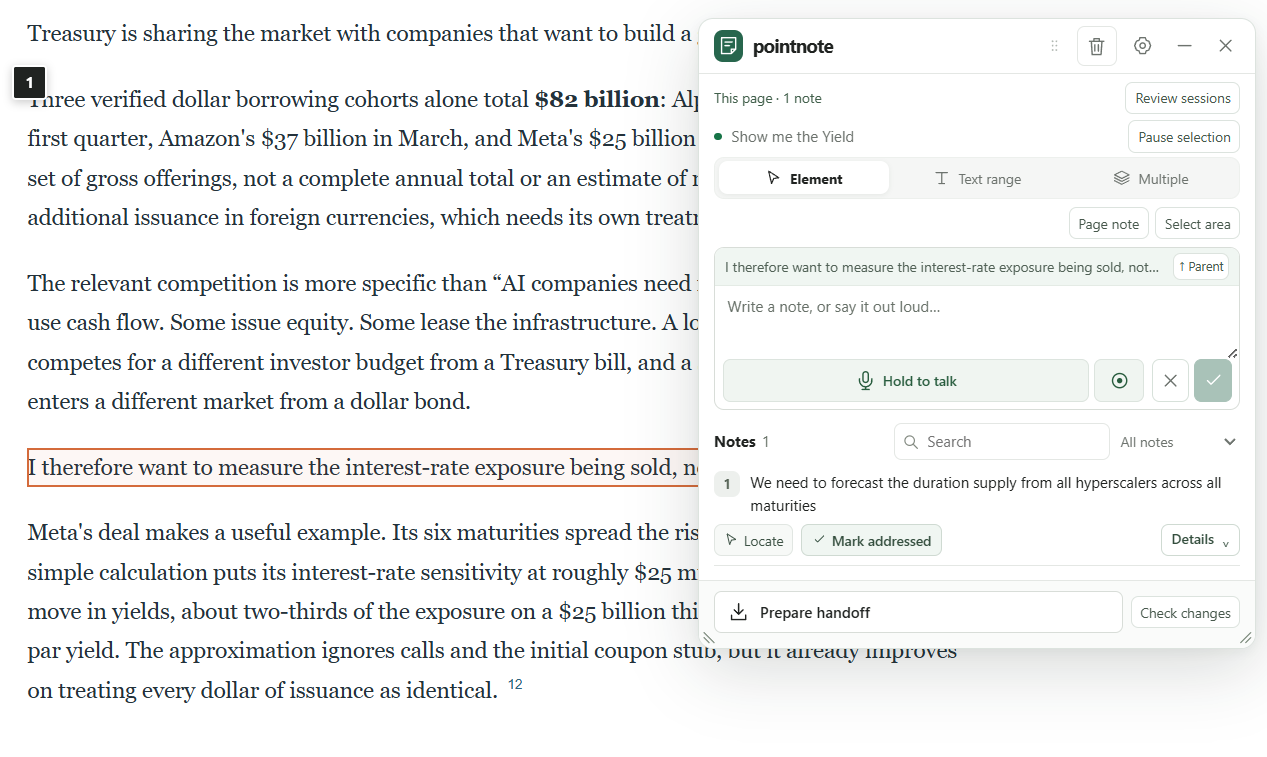
A Chrome and Edge extension for attaching written or spoken
feedback to specific page elements, then handing that context to a
coding or research agent.
I built it to turn design and research observations into
actionable notes with selected text, screenshots, and target
context. Notes stay in the browser, can be grouped into review
sessions, and export as Markdown or a ZIP bundle for an agent
handoff.
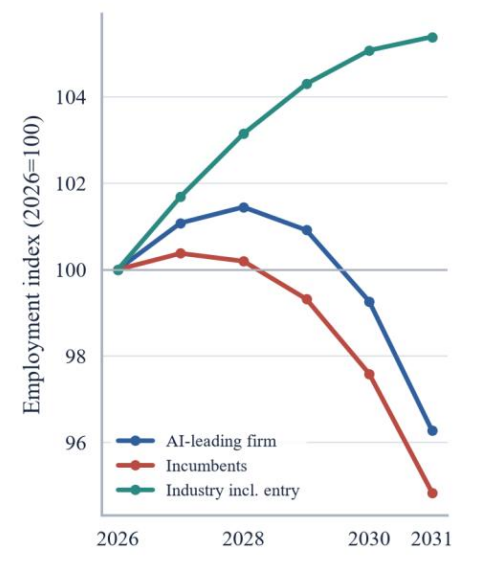
A Python-supported macro research report on how industrial policy,
strategic controls, and national bottlenecks intersect with
artificial intelligence.
I combined quantitative research with written analysis to frame
the central thesis, develop forecastable claims, and connect AI
progress with the policy and infrastructure surrounding it.